
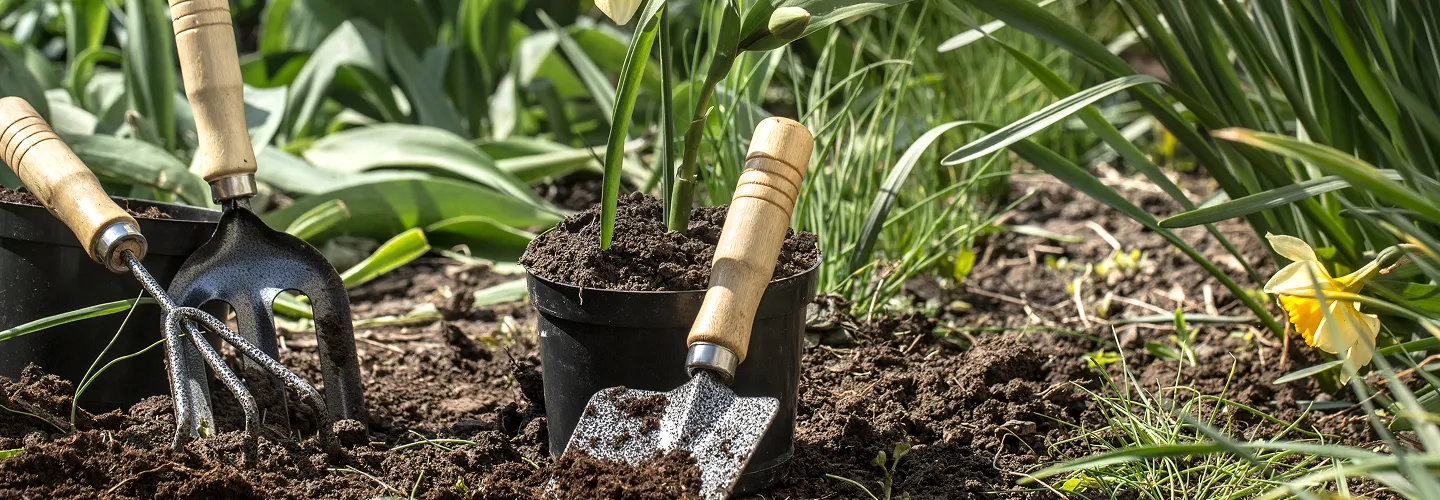
Arcadia Flower Bed Maintenance Services
Choose our Flower Bed Maintenance for expert care, vibrant blooms, and a weed-free garden—so you can enjoy a beautiful, healthy landscape without the hassle.
Get a Free QuoteOur Arcadia Landscaping & Yard Care Services
When to Schedule Flower Bed Maintenance in Arcadia, Florida – Seasonal Guide
In Arcadia, Florida, the timing of flower bed maintenance is closely tied to our unique subtropical climate and local landscape features. With mild winters and hot, humid summers, the best periods for comprehensive flower bed care are typically late winter through early spring and again in early fall. These windows allow for planting, mulching, and pruning before the intense summer heat or after the risk of frost has passed. Neighborhoods near DeSoto Park or along Oak Street often experience microclimates due to shade from mature oaks and varying soil drainage, which can influence the ideal maintenance schedule.
Local environmental factors such as the average last frost date in late February, periods of high humidity, and the occasional drought risk all play a role in determining when to refresh mulch, fertilize, or install new plantings. Homeowners in the Lake Suzy area, for example, may need to adjust their maintenance timing due to heavier shade and denser tree coverage. For more information on local climate patterns and gardening resources, visit the Sudbury municipal site.
Local Factors to Consider for Flower Bed Maintenance in Arcadia
- Tree density and shade coverage (especially in neighborhoods like Lake Suzy and near DeSoto Park)
- Soil type and drainage, which can vary between sandy and loamy areas
- Seasonal precipitation patterns and drought risk
- Average frost dates and temperature fluctuations
- Municipal restrictions or watering schedules
- Terrain and elevation changes affecting runoff and erosion
Benefits of Flower Bed Maintenance in Arcadia
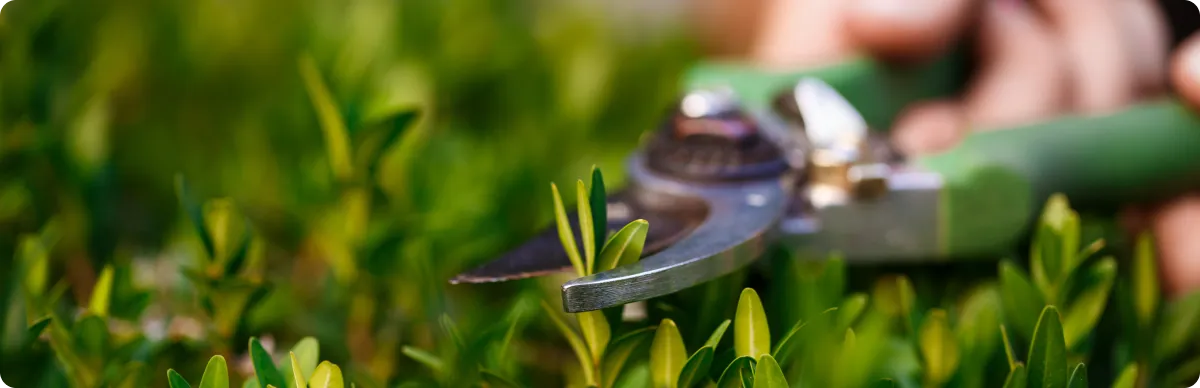
Enhanced Curb Appeal
Weed and Pest Prevention
Healthier Plant Growth
Seasonal Color Management
Professional Landscape Expertise
Time and Effort Savings
Arcadia Flower Bed Maintenance Types

Seasonal Flower Planting
-
Weed Control Services
-
Mulching and Soil Conditioning
-
Pruning and Deadheading
-
Fertilization Programs
-
Pest and Disease Management
-
Irrigation System Maintenance
Our Flower Bed Maintenance Process
Site Evaluation
Weed Removal
Soil Cultivation
Mulching
Plant Health Inspection
Why Choose Arcadia Landscape Services
-
Arcadia Homeowners Trust Us
-
Expert Lawn Maintenance
-
Reliable Irrigation Solutions
-
Comprehensive Yard Cleanup
-
Competitive Pricing
-
Professional Team
-
Satisfaction Guarantee
Coordinating Flower Bed Maintenance with Arcadia's Municipal Parks and Public Works Divisions
Flower bed maintenance in Arcadia involves more than routine plant care; it requires awareness of municipal infrastructure, vegetative debris handling, and drainage system protection. The City of Arcadia's Parks Division oversees public green spaces and can provide guidance on landscape standards that align with neighborhood aesthetics and municipal expectations. When flower bed maintenance generates organic debris—spent annuals, pulled weeds, old mulch—residents and property managers should verify current yard waste collection procedures through the Department of Public Works, which manages curbside pickup and drainage infrastructure throughout the city.
- Separate vegetative bed debris from household waste and follow bundling or container guidelines set by the city
- Keep soil, mulch, and plant material away from storm-drain inlets, roadside swales, and drainage ditches
- Coordinate any bed work near public rights-of-way or park-adjacent properties with the appropriate city division
Arcadia FL Parks Division
Official Website: Arcadia FL Parks Division
Arcadia FL Public Works
Official Website: Arcadia FL Public Works
How Arcadia's Inland Heat, Sandy Soils, and Wet Season Shape Flower Bed Health
Arcadia sits in the interior of DeSoto County within a Central Florida / Inland Peninsula climate context. The city falls within USDA Hardiness Zone 9b–10a, which supports a wide range of subtropical ornamentals but also subjects flower beds to intense summer heat, high humidity, and prolonged wet-season saturation from roughly June through October. Soils in the Arcadia area are predominantly sandy and often poorly drained in low-lying sections near the Peace River corridor, which accelerates nutrient leaching and demands careful irrigation management.
- Summer heat stress: Afternoon temperatures regularly exceed 90°F from May through September, causing rapid moisture loss from exposed bed surfaces and wilting in shallow-rooted annuals
- Sandy soil drainage: Inland sandy soils drain quickly, reducing nutrient retention and requiring more frequent but lighter irrigation cycles and consistent mulch cover
- Wet-season saturation: Heavy summer rainfall can waterlog beds without adequate drainage grading, promoting root rot and fungal pressure in densely planted areas
- Humidity-driven disease: Persistent humidity encourages leaf-spot fungi, powdery mildew, and bacterial issues, making airflow and plant spacing critical design considerations
Selecting heat-tolerant species such as pentas, lantana, firebush, and blanket flower helps beds withstand Arcadia's demanding growing conditions. The UF/IFAS Gardening Solutions program provides regionally appropriate planting guidance for inland Florida landscapes.
Navigating Arcadia's Code Enforcement and Environmental Compliance for Flower Bed Care
Property owners maintaining flower beds in Arcadia should be aware of several regulatory layers that affect landscape upkeep. The City of Arcadia's Code Enforcement division enforces property maintenance standards, including requirements related to overgrown vegetation, visible debris accumulation, and frontage appearance. Beds that become neglected or overgrown with nuisance weeds may trigger code compliance action.
- Any chemical weed control or pest treatment applied to flower beds must comply with Florida Statutes Chapter 487, which governs pesticide use; commercial applicators must hold valid FDACS pesticide applicator licenses
- Fertilizer applications near flower beds should follow nutrient management principles outlined in Florida Statutes §403.9337 to prevent nutrient runoff into stormwater systems
- Runoff carrying soil, mulch, or chemical residues into swales, ditches, or the Peace River watershed may implicate Florida DEP NPDES stormwater requirements
- Irrigation used for flower bed watering must conform to water management district restrictions; verify current watering schedules through the city's utility division, as restrictions may vary by drought stage and season
Arcadia FL Code Enforcement
Official Website: Arcadia FL Code Enforcement
Timing Flower Bed Maintenance Around Arcadia's Seasonal Rainfall and Heat Cycles
Professional flower bed maintenance in Arcadia follows a seasonal rhythm dictated by the region's subtropical climate. Proper timing of each maintenance task reduces plant stress, conserves water, and minimizes the risk of disease or nutrient loss.
- Deadheading and cleanup: Remove spent blooms every one to two weeks during the active growing season (March through November) to encourage continued flowering and reduce fungal habitat
- Mulch management: Maintain a mulch layer of approximately two to three inches; replenish in early spring before wet-season rains begin and again in late fall as beds transition to cool-season plantings
- Weed suppression: Hand-pull or spot-treat weeds before they set seed, particularly after summer rain events that trigger rapid weed flushes; pre-emergent applications are most effective when timed before the spring warm-up
- Seasonal replanting: Transition warm-season annuals out by late October and install cool-season varieties such as petunias, snapdragons, or dianthus; reverse the cycle in March or April as nighttime temperatures stabilize above 55°F
- Irrigation emitter checks: Inspect drip lines and micro-spray emitters monthly during peak use; sandy soils in Arcadia demand uniform coverage to prevent dry pockets that stress shallow-rooted ornamentals
- Soil amendment: Incorporate organic matter such as composted material into sandy beds during replanting cycles to improve moisture retention and microbial activity
Watering flower beds during early morning hours—typically before 10:00 a.m.—reduces evaporative loss and limits the duration of leaf wetness that promotes fungal disease. The EPA WaterSense program provides additional guidance on efficient outdoor irrigation practices applicable to bed maintenance.
What Neighborhoods Do We Serve Throughout Arcadia, FL?
- Downtown Arcadia Historic District — Older residential lots in this area often feature mature shade trees and established planting beds that require careful species selection for partial-shade conditions and root competition management
- Nocatee and South Arcadia — Properties in these areas may sit on lower-elevation lots closer to the Peace River floodplain, where drainage grading and moisture-tolerant plant choices are essential for bed longevity
- North Arcadia — Residential parcels along the northern corridors tend toward larger lot sizes with full-sun exposure, supporting a broader range of heat-tolerant flowering species but demanding consistent irrigation coverage
- Oak Park and surrounding subdivisions — Neighborhood lots here often feature sandy fill soils from subdivision development, requiring organic soil amendments and deeper mulch layers to sustain flower bed health
- DeSoto Acres and rural-fringe properties — Larger parcels on the outskirts of Arcadia may lack municipal water service, making well-water irrigation management and drought-tolerant bed design particularly important